Compare equipment, crew support and time at anchor when planning a yacht holiday with kayaking or paddleboarding in mind.
A paddle beside the yacht can change the pace of a holiday: a closer view of the shoreline, time away from an engine and a reason to linger at anchor. If kayaking or stand-up paddleboarding matters to your group, mention it before choosing the yacht. The useful comparison goes beyond whether a board appears in a photograph. Ask what is carried, who helps you use it and how the voyage leaves room for it.
Start with the kind of outing you want
A first attempt on a paddleboard needs a different plan from a longer kayak outing for experienced guests. Tell the team whether you want a short introduction close to the yacht, gentle shared paddles or a more active part of the voyage. Include how many people would like to take part and whether anyone prefers to remain aboard.
Think about the experience as part of your day. Would you rather paddle before breakfast, pause between shore visits or keep an unhurried afternoon at anchor? These are preferences to discuss, not fixed appointments: the captain and activity team need to choose a suitable place and time on the day.
Compare the equipment with your actual group
Ask how many kayaks and boards are carried, whether the kayaks are single or tandem, and how many guests can go out together with the available supervision. A listing that says “kayaks” does not establish a place for everyone at once. For a larger charter, rotating smaller groups may be more enjoyable than waiting for one brief turn.
Check appropriate flotation equipment, size and weight limits, paddles and the arrangements for children with the operator. Ask how guests get from the yacht or tender into the craft and return aboard afterwards. If boarding, balance or getting up from a low seat is a concern, explain the practical need before a vessel is shortlisted.
Consider boarding and tender transfers
A kayak or a paddleboard?
A kayak offers a seated outing and may allow two people to share one craft if a suitable tandem is carried. It can appeal to guests who would rather sit than stand, although entry, exit and paddling still require effort. Ask the operator which options suit your experience and any individual needs.
A stand-up paddleboard puts more emphasis on balance. A beginner may want a lesson or supported introduction before deciding whether to spend more time on it. Neither choice is automatically suitable for every guest or location. A group can mix activities without everyone needing to take part in the same way.
Let conditions decide the session
Flat-looking water alone is not enough to judge a paddling spot. Wind, currents and the changing conditions matter, and offshore wind can carry a board away from land. Ask who assesses the area, sets the boundaries and decides when the session ends. Keep the captain’s and activity leader’s decision final.
Before launching, have the team explain the appropriate flotation and leash equipment for the setting, the communication plan, supervision and how assistance would reach you. Do not assume a tender will follow simply because the yacht carries one. Confirm the actual support arrangements, and be comfortable with postponing the activity.
Choose time at anchor as carefully as the yacht
A holiday built around frequent long passages leaves a different amount of usable time from one with fewer moves and longer stops. If paddling is a priority, ask how the proposed voyage balances cruising, visits ashore and time in suitable anchorages. Avoid choosing solely by the number of islands named in a proposal.
Keep a satisfying alternative for people who stay aboard or for a day when paddling is unsuitable. A quiet deck, a shared meal or another operator-approved activity can preserve the slower pace you wanted. An equipment list should support the holiday, rather than turn each day into a checklist.
Match the number of nights to your pace
Use a yacht profile as a starting point
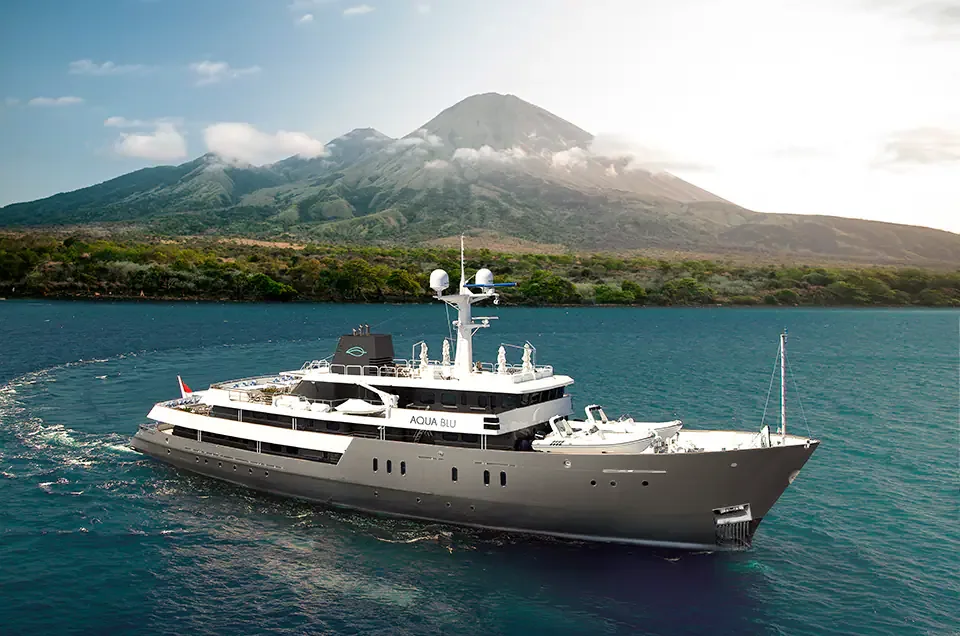
Aqua Blu’s published equipment includes kayaks and stand-up paddleboards, making its profile a useful place to start a comparison. The presence of equipment does not confirm a particular excursion, availability on your dates or suitability for your group. Request the current details in the written proposal.
Compare vessels through your priorities: the equipment, boarding arrangements, crew support, shared spaces and time available for activities. Ask whether any instruction, guiding or equipment use carries a separate charge, and how a change of plan would be handled. Confirm inclusions for the specific charter before committing.
Does every guest need paddling experience?
No single answer covers every yacht and outing. Tell the operator who is new to the activity and ask what instruction, supervision and suitable equipment can be provided. Swimming confidence and individual needs also matter. Being able to join a yacht holiday does not automatically establish suitability for every water activity.
What should you include in an enquiry?
Send your preferred destination, dates, guest numbers and intended number of nights. Add how many people want to paddle, their experience, any children’s ages and practical boarding needs. Explain whether this is a casual extra or a priority for the charter. LOV Angels can use that brief when discussing suitable yachts and the arrangements to confirm for your voyage.
Extraordinary places. Personal journeys.