Plan your voyage
 Indonesian Yacht Itineraries: More Nights or More Places?
Compare local island exploration with a longer crossing, and choose an Indonesian yacht journey around the experiences you want time to enjoy.
Choose the experiences first, then the number of nights. A longer Indonesian yacht journey can give you more time in one region or enough time to travel farther. Those are different holidays. The most useful comparison is how the days are spent: in the water, ashore, relaxing aboard or making a passage between places. Start there, and an itinerary becomes a way to understand your options rather than a list of names to collect.
Count nights aboard and usable time separately
A five-day, four-night description includes both the arrival and departure days. It does not necessarily mean five full days of exploration. Before comparing trips, ask when boarding begins, when the yacht sails and when disembarkation is planned. Keep flights and any hotel nights separate from nights aboard.
Compare two proposals on the same basis. Look at complete days available for activities, the amount of moving between places and the time left to settle into life aboard. A compact journey within one area may offer a different rhythm from a longer trip connecting regions.
An extra night might create another morning around an island you already like, a less hurried shore visit or a passage to somewhere new. Ask what it changes in practice.
Komodo: deepen the experience within one region
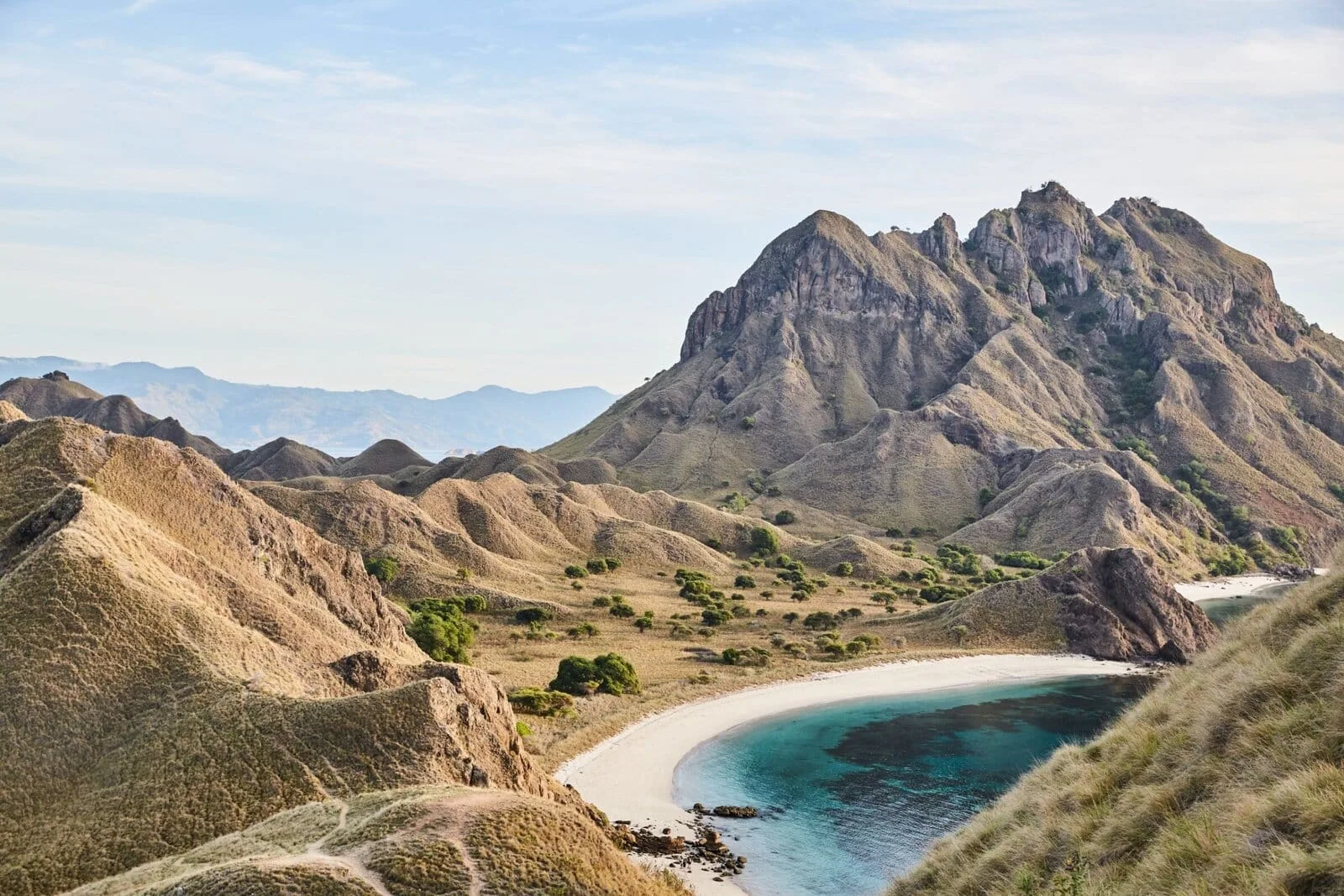
For a Komodo enquiry, think about the balance between island viewpoints, beaches and time in the water. Would your group prefer an active morning ashore followed by an afternoon aboard, or more opportunities to snorkel and dive? Choose your priorities before trying to fit every attraction into a short visit.
Longer local sample journeys add areas such as Gili Lawa and Gili Banta. Use that distinction to ask whether additional nights would give you a broader local exploration or simply more time to enjoy a smaller area. Neither choice is automatically better.
Treat island walks, ranger visits and water activities as proposed experiences requiring current confirmation. Wildlife remains an opportunity to observe, and the captain’s decisions and local access arrangements shape what happens on the day.
Raja Ampat: decide which part of the archipelago draws you
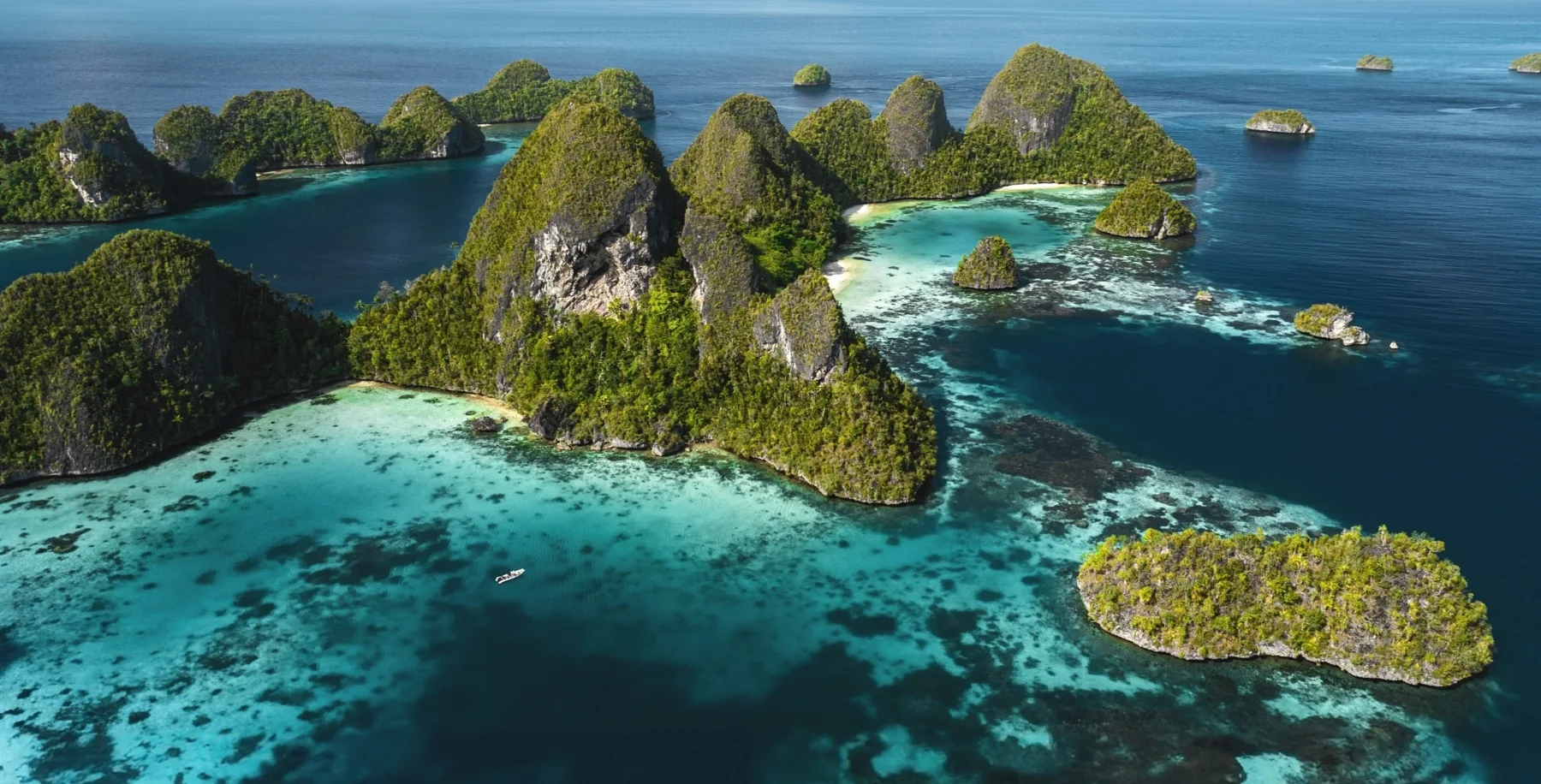
Raja Ampat proposals may focus on northern and central islands, or give more attention to southern areas including Misool. That geographic distinction matters more than whether two brochures have a similar number of nights on their covers.
If Wayag’s island scenery, the islands around Piaynemo or the reefs and communities around the central region appeal, say so. If your interest is Misool, make that equally clear. Ask how much passage time the proposed combination requires and what it leaves for the activities your group wants.
You do not need to turn every place you have heard of into a requirement. Pick a few interests, then ask for a realistic assessment of the region and trip length that fit them. Snorkelling, diving and time ashore should be discussed around the actual group and conditions.
Explore diving and snorkelling
The Spice Islands: leave time for the story ashore
For travellers interested in culture and maritime history, a Spice Islands journey offers another focus. The Banda Islands and the region’s association with nutmeg can form a starting point for learning as well as time at sea.
If this is what attracts you, ask how the proposal balances guiding, shore travel and water activities. A visit that allows questions and conversation feels different from a brief landing between passages. Tell the planning team whether historical places, local food traditions or contemporary island life matter most to you.
Keep cultural visits grounded in local hosting and consent. Access to a place does not establish a guaranteed demonstration, ceremony or invitation into private spaces. Let current local arrangements shape the encounter.
A longer crossing is a different decision
Journeys linking regions can be appealing when the movement itself is part of what you want. They can also involve different embarkation and disembarkation points, longer passages and more complex travel connections. Compare those features deliberately.
Ask which nights involve sailing, whether the start and finish are in the same place, and what the proposed passage pattern means for meals, rest and activities. Discuss your group’s preferences without assuming that more miles equal a more enjoyable holiday.
A yacht such as Prana by Atzaró appears in the collection with several Indonesian regions listed. That is a starting point for discussing a suitable vessel; it does not confirm that a particular sample crossing is available, or that a narrative’s facilities and inclusions apply to another yacht.
Five questions that make sample itineraries useful
Where do we board and finish? Ask for the actual ports and compatible travel arrangements, with dates and times confirmed for the departure you are considering.
How much time is spent making passages? Separate sailing, activities and time at anchor rather than reading every named island as a full day there.
Which activities suit our group? Share swimming confidence, diving experience, interests ashore and access needs before finalising a plan.
What does the quotation include? Check meals, drinks, equipment, guiding, transfers and any fees explicitly. An activity described in a sample is not proof that it is included in every charter.
What may change? A sample itinerary is illustrative and subject to conditions, local access and operator confirmation. Ask how alternatives are handled rather than expecting every stop or wildlife encounter to happen.
Tell Lov Angels what you want more time for
Share your preferred travel window, available nights, guest numbers, cabin requirements and approximate budget. Add the moments you would most enjoy: reef time, island viewpoints, cultural learning, quiet afternoons or a journey between regions.
With those preferences clear, discuss a suitable yacht and a personal proposal. Start with curiosity, compare the practical details and leave room for the journey. Availability, final routes and arrangements are confirmed before booking.
Extraordinary places. Personal journeys.